
Clear Aligners Cost in Houston: Affordable Options and What to Expect
By Clio Dental Studio · Updated August 11, 2026
Clear aligners in Houston typically cost $3,000–$8,000, with Invisalign averaging $4,000–$7,000 and in-house brands starting around $2,500. Insurance may cover up to $1,500–$3,000, and financing can lower monthly payments to $100–$200. At Clio Dental Studio, your complimentary consultation gives you an exact quote — not a range, not a bait price — backed by digital scans and a plan you can see before you say yes.
That number shifts based on case complexity, treatment length, and how your insurance and financing work together. We’ll walk you through every variable so you understand what you’re paying for and why. From there, we’ll cover how aligners compare to traditional braces, what complex cases actually require, and the lifestyle adjustments that come with straightening your teeth in Houston’s humidity. You’ll also learn what the journey looks like from consultation to retention, which fears are worth discarding, and how to make your treatment as sustainable as possible.
Key Takeaways
- Clear aligners in Houston cost $3,000–$8,000; Invisalign averages $4,000–$7,000, and in-house brands start around $2,500.
- Insurance may cover $1,000–$3,000, and financing can reduce monthly payments to $100–$250.
- Texas law SB 384 requires a dentist's written confirmation of an intraoral exam and diagnostic imaging before selling clear aligners.
- Clear aligners typically take 12–18 months versus 18–24 months for traditional braces, with compliance requiring 20–22 hours of daily wear.
- Invisalign's material science and iTero digital scans provide predictable results and a preview of your smile before treatment.
How Much Do Clear Aligners Cost in Houston? A Detailed Breakdown
In Houston Heights, clear aligner treatment typically ranges from $3,000 to $8,000, with most cases at Clio Dental Studio falling between $3,500 and $6,500. Invisalign cases in our practice generally start around $3,500 for mild correction and can reach $6,500 or more for comprehensive treatment addressing significant crowding or bite issues. In-house clear aligner brands often sit at a lower price point, but the trade-off is rarely just the dollar amount. Invisalign’s material science, attachment precision, and the sheer volume of clinical data behind its treatment algorithms give experienced providers far more control over tooth movement. That control translates directly into predictable results and fewer mid-course corrections.

When you choose a provider who uses the iTero digital scanner, you also see your projected smile outcome on-screen before committing a single dollar. This eliminates the guesswork that cheaper mail-order systems force you to accept.
Insurance can meaningfully reduce your out-of-pocket cost. We accept most major PPO dental insurance plans, and many Houston employers offer orthodontic coverage that pays between $1,000 and $3,000 toward clear aligner treatment. We verify your benefits before your consultation and give you a written breakdown of what your plan covers, what it doesn’t, and exactly what you’ll owe. No surprise bills, no pressure. For patients without insurance, our in-house Clio Care Plan includes 15% off procedures, which can trim hundreds from your total. We also offer third-party financing through Cherry, Alphaeon Credit, and Sunbit, with monthly payments that often land between $100 and $250, depending on your term and down payment.
According to 88(R) SB 384 - Introduced version - Bill Text, Texas law now requires that any clear aligner sale be backed by a dentist’s written confirmation that you’ve had an intraoral exam, diagnostic imaging, and a review of your treatment options and risks. This protection took effect September 1, 2023, under SB 384 (88(R) SB 384 - Introduced version - Bill Text). The bargain-priced aligner companies that skip the in-person evaluation are operating outside what the state now mandates for your safety. A proper exam catches the issues that invisible aligner marketing never mentions: untreated cavities, gum disease, root problems, or bone loss that could turn a cosmetic treatment into a dental emergency.
Clear Aligners vs. Traditional Braces: What Houston Patients Need to Know
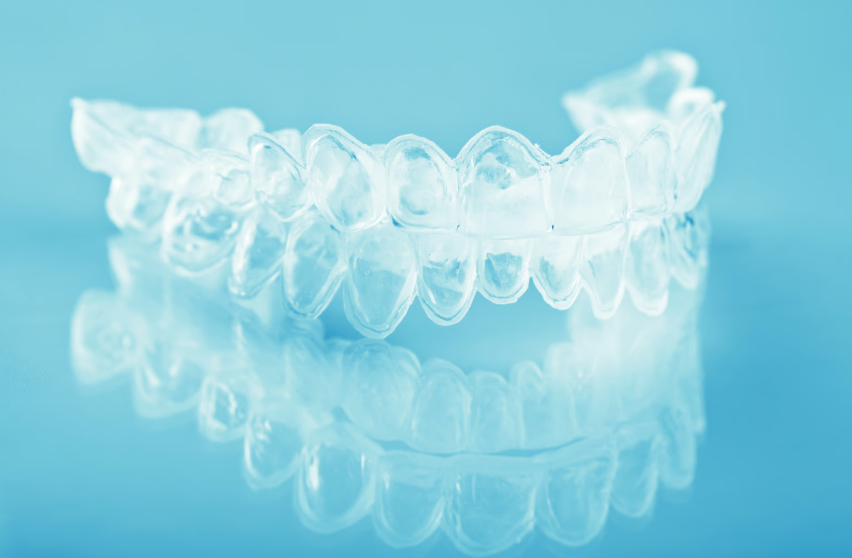
Clear aligners typically take 12 to 18 months for most adult cases, while traditional braces average 18 to 24 months. That number shifts dramatically based on what you’re actually correcting. Mild crowding or spacing can finish in as little as 6 months with aligners, whereas complex bite work may push braces past the 30-month mark regardless. The real difference isn’t just the clock. Aligners apply controlled, sequential force using removable trays you swap every one to two weeks. Your teeth move in planned micro-stages. Braces use a fixed archwire and brackets adjusted every four to six weeks, delivering continuous pressure. Both work. Neither is universally faster.
Pain is where patients feel the split most acutely. Braces come with an initial break-in period of soreness, plus a fresh wave of tenderness after every tightening appointment. The metal brackets can shred the inside of your cheeks until you build up calluses. Clear aligners cause a different kind of discomfort: a deep, dull ache for the first two to three days of each new tray as teeth begin shifting. It’s predictable and it fades. There’s no hardware cutting soft tissue. We tell our patients that aligner discomfort is a sign the tray is working, not a sign something’s wrong.
Maintenance separates the two options in ways that matter daily. Braces demand meticulous brushing around brackets, threading floss under wires, and avoiding anything crunchy, sticky, or chewy. Aligners pop out. You eat what you want, brush and floss normally, and clean the trays with a quick brush and rinse. The trade-off is compliance: aligners need 20 to 22 hours of wear per day. If you’re not disciplined enough to keep them in, your treatment stalls. Braces can’t be removed, so they work whether you’re paying attention or not.
One point most comparison articles skip: Texas law now mandates protections specifically for clear aligner patients. Under SB 384, no one can sell you aligners without written confirmation from a dentist that you’ve had an intraoral exam, diagnostic imaging sufficient to detect issues like untreated decay or gum disease, and a discussion of treatment options and risks. At Clio Dental Studio, our iTero digital scanner captures a precise 3D model of your mouth in minutes — no goopy impressions — and lets you see your projected smile on-screen before you commit to anything.
Can Clear Aligners Fix Complex Cases? Limitations and Hybrid Approaches
Yes, clear aligners can fix many complex cases — but not all of them, and not always on their own. According to NXC - Product Classification - FDA, the FDA classifies sequential aligners as a device for treating “minor tooth malocclusion,” and that definition exists for a reason. Severe crowding, significant bite issues like a deep overbite or a crossbite that involves the jaw position, and cases requiring large tooth rotations or vertical movements can push past what aligners alone can predictably handle. The plastic simply cannot generate the same force vectors as brackets and wires anchored to every tooth.
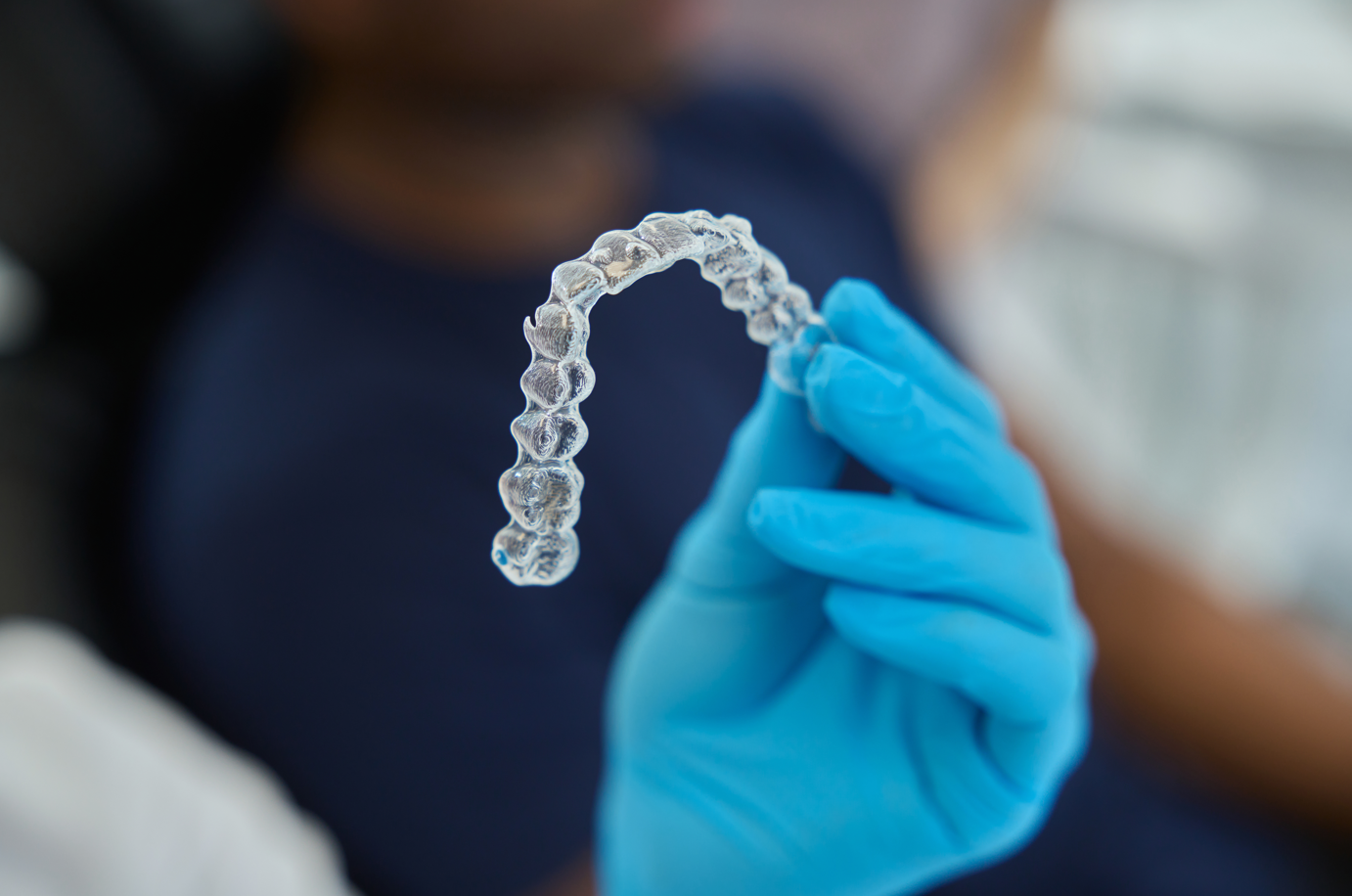
This is where honesty matters more than a sales pitch. We use iTero digital scans to map your entire treatment before you commit, so we can show you exactly what’s achievable with aligners alone — and where the limits sit. If your case involves a severely impacted canine or a skeletal discrepancy, we will tell you directly that a referral to an orthodontic specialist for braces or surgery is the right path.
For many patients in Houston Heights, the sweet spot is a hybrid approach. You might wear braces on the lower teeth for a few months to upright a badly tilted molar or create space, while clear aligners handle the more visible upper arch. Or we may use aligners for the bulk of your tooth movement and finish with a short course of braces or a fixed retainer to lock in a stubborn rotation. This is not a compromise. It is smart treatment planning that respects your biology and your desire for a discreet smile transformation. Dr. Rouhani’s advanced training, including her Fellowship in the Academy of General Dentistry — a credential held by fewer than 6% of dentists — means she diagnoses these decisions using Cone Beam 3D imaging, not guesswork. We see the root positions, bone levels, and joint space before we ever move a tooth.
The real limitation is rarely the aligner itself. It is the diagnosis behind the plan. A dentist who simply approves a computer-generated simulation without adjusting the staging, attachment placement, or force sequence will get poor results on anything beyond a mild case. When you sit with us for a complimentary consultation, you will see your projected outcome on-screen and understand exactly what your specific teeth need.
Living with Aligners in Houston: Humidity, Dining Out, and Lifestyle Tips
Houston’s climate creates a few unique realities for clear aligner wearers. The biggest one is humidity. Stepping outside in July means your aligners are going to feel warm and slick almost instantly, which makes it tempting to pop them out “just for a minute.” Don’t. That minute can easily stretch into an afternoon, and you’ll lose the 20–22 hours of daily wear your teeth need to track properly. Instead, carry your case everywhere. We give you one at our Durham Drive studio. If you do remove them outdoors, store them immediately. Never wrap them in a napkin at a picnic table at Memorial Park — that’s the number-one way aligners end up in the trash.
Dining out in Houston Heights is one of the real pleasures of living here, and you don’t have to give it up. The rhythm is simple: aligners come out before you eat or drink anything other than cool water, and they go back in after you rinse your mouth or brush. If you’re at a restaurant without a private sink, swishing water vigorously and popping them back in is fine until you get home. What you cannot do is sip a Topo Chico or an iced coffee with aligners in. Liquid seeps inside the trays and bathes your teeth in sugar or acid for hours, which is a fast track to cavities.
For the active Houstonian — runners along Buffalo Bayou, cyclists on the White Oak trail — aligners stay in. They actually double as a thin protective layer if you’re a clencher during exertion. Just rinse them and your mouth afterward. Because our practice uses an iTero scanner instead of goopy impressions, your aligners are milled from a precise digital map of your mouth, so they fit snugly enough to stay put through a workout without shifting. If you ever feel them lifting or rubbing, that’s not normal. It means you need us to check the fit, not that you should tolerate discomfort. We’d rather you pop in for a five-minute adjustment than suffer silently.
Your Clear Aligner Journey: From Consultation to Confident Smile
Your journey starts with a complimentary consultation designed to be the opposite of high-pressure. We know you’ve probably put this off for years, worried about walking into a rushed environment and walking out with a bill you didn’t expect. That doesn’t happen here. Your first visit is about discovery, not sales. We’ll talk about what bothers you about your smile — whether it’s crowding, that one tooth that rotated after braces, or spacing that’s always made you self-conscious — and we’ll use the iTero digital scanner to capture a precise, mess-free 3D model of your teeth in minutes. Within moments, the system generates a simulated preview of your potential result right on the screen. You see what your smile transformation could look like before you commit to anything.
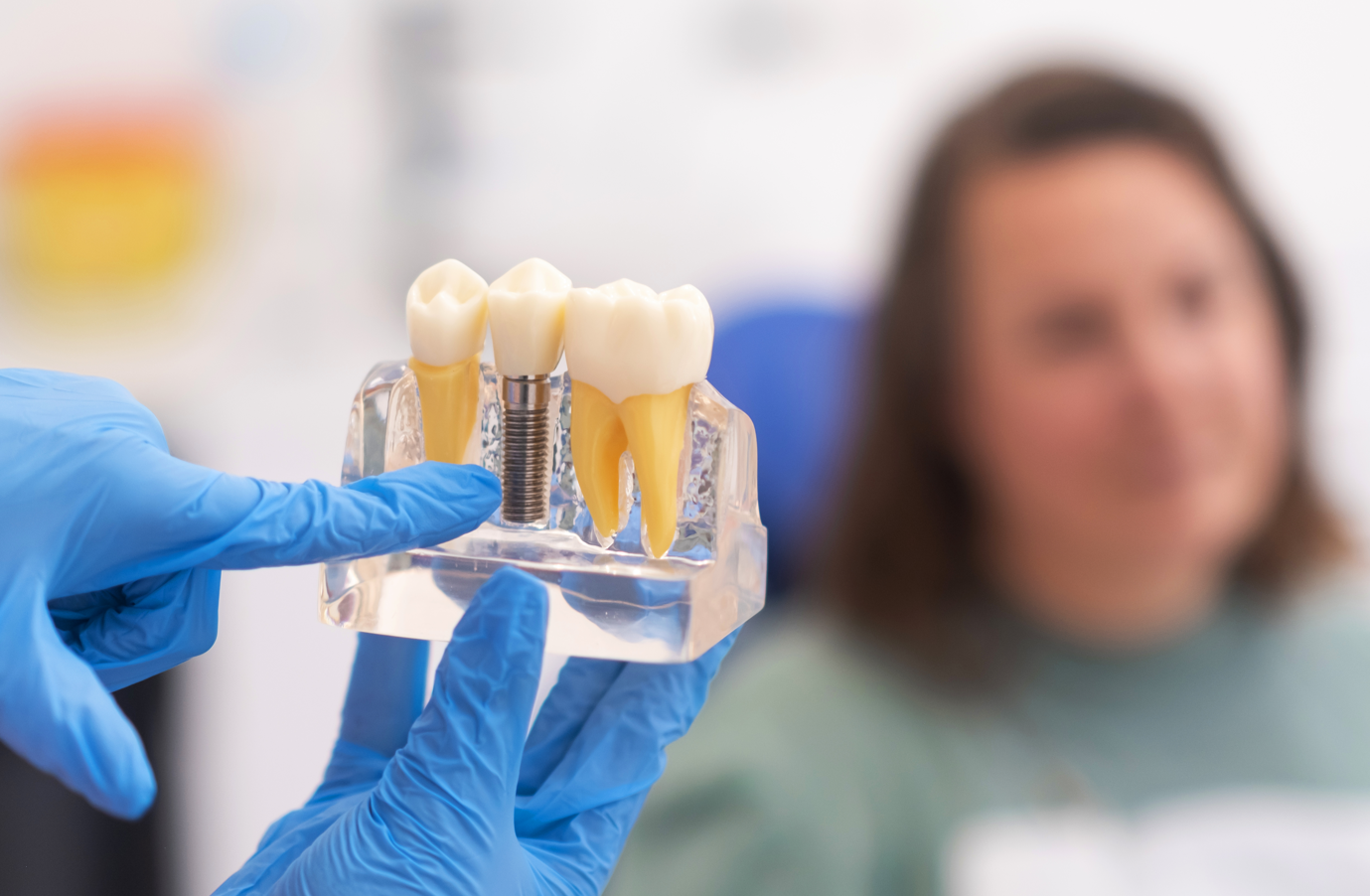
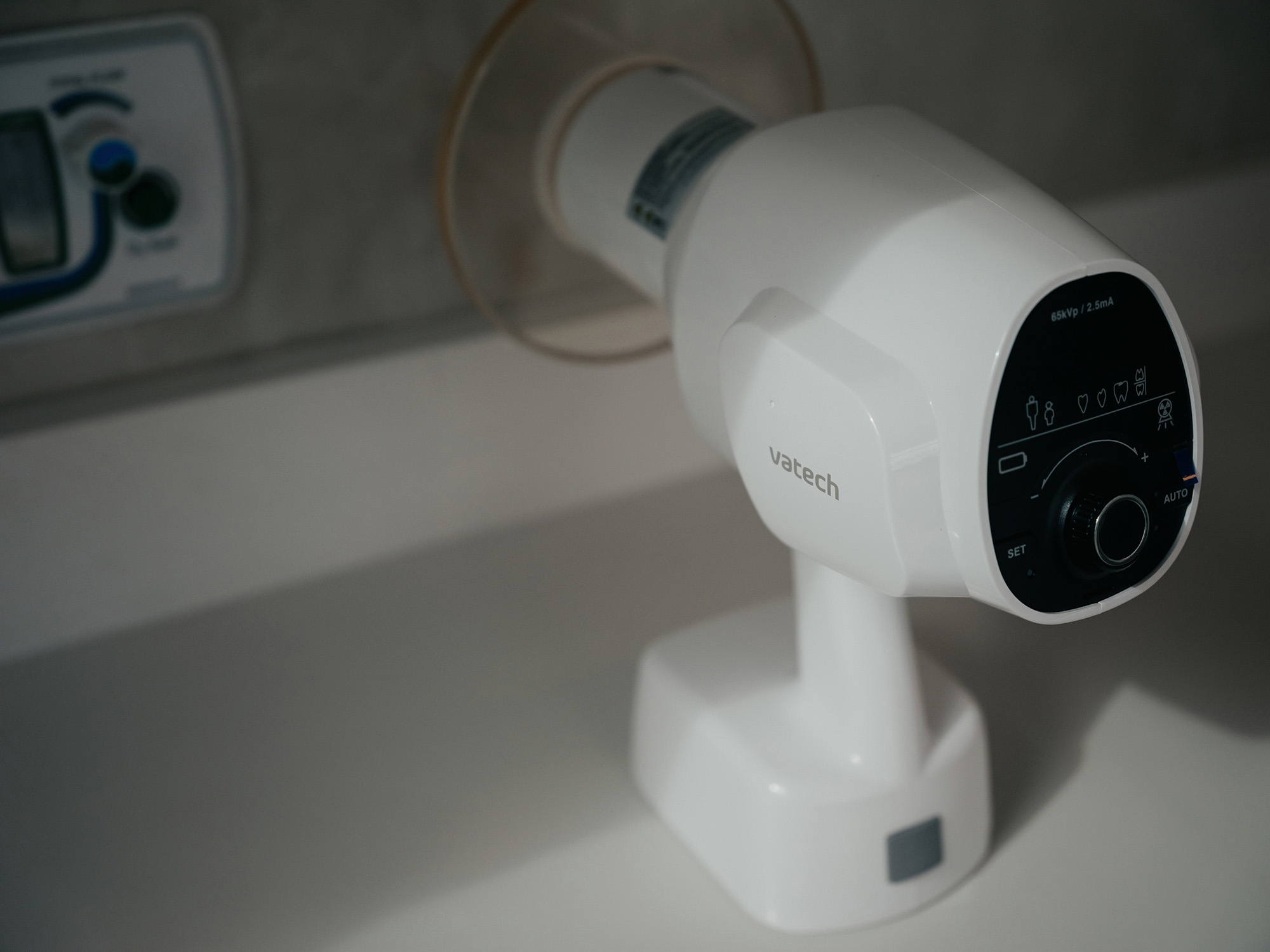
After your scan, Dr. Rouhani reviews the digital model alongside any necessary X-rays. We use low-radiation digital X-rays and, when needed, Cone Beam 3D imaging to check root health, bone structure, and to rule out hidden issues like untreated decay or gum disease. This step isn’t optional. It’s the standard of care. Texas law requires a dentist to review diagnostic imaging sufficient to detect conditions like caries, periodontal disease, or fractured teeth before any clear aligner is sold. We’ve always done this because a healthy foundation is non-negotiable for a stable cosmetic result. If everything looks sound, Dr. Rouhani maps out your custom treatment plan, showing you exactly how many aligner trays you’ll need and an estimated timeline — most cases range from 6 to 18 months. You’ll leave with a clear, written breakdown of the cost and, if needed, we’ll walk you through financing options so there are no financial surprises.
Once you approve the plan, your aligners are fabricated and you’ll return to pick them up. We place any small tooth-colored attachments and ensure the fit is seamless. You’ll wear each set for about one to two weeks, switching to the next tray at home. We schedule brief check-ins roughly every 8 to 10 weeks — not to push unnecessary appointments, but to confirm your teeth are tracking precisely as planned. Most patients find the process fits quietly into a busy Houston Heights life. Aligners are removed for dining out or sipping coffee at a café on 19th Street, and the 20–22 hour daily wear requirement becomes second nature quickly. When your final tray is complete, we scan for a custom retainer and discuss long-term retention so that confident smile stays put. The entire journey is built on transparency, precision technology, and a relationship that doesn’t end when your treatment does.
Common Fears About Clear Aligners: Pain, Speech, and Eating — Debunked
No, clear aligners are not painful in the way most people imagine. You will not be popping ibuprofen around the clock or unable to sleep. What you will feel is a sense of pressure — a dull, temporary tightness during the first two days of a new aligner tray. That pressure is exactly how you know the aligners are working, gently shifting teeth according to your digital plan. It fades quickly, and most of our Houston Heights patients describe it as “awareness,” not pain. Because we use the iTero digital scanner to map your entire treatment from start to finish, the force applied is calibrated and predictable. If you have a particularly low tolerance, we can plan for slower, more gradual movements that keep you comfortable.
The speech concern is real but brief. Your tongue needs about three to five days to adapt to the thin plastic resting against your teeth. You may notice a slight lisp on “s” or “th” sounds initially. Reading aloud at home for a few minutes each day accelerates the adjustment, and by the end of your first week, you will be speaking naturally in meetings, on dates, and everywhere else. Eating is even simpler: there are no restrictions because the aligners come out. You remove them to eat and drink anything besides water. That means no cutting corn off the cob or skipping the chips and queso at your favorite Tex-Mex spot. The only discipline required is brushing before you click the trays back in, and wearing them the prescribed 20 to 22 hours a day. If you can commit to that, your lifestyle doesn’t change — your smile does.
Eco-Friendly Aligners and Sustainable Practices for Houstonians
If you’re searching for clear aligners that align with your environmental values, you’re likely running into the same frustration many Houston Heights residents do: the aligner industry isn’t known for sustainability. Most aligner companies ship plastic trays in plastic packaging, and the used aligners end up in a landfill where they won’t break down for centuries. There is no widely available compostable or biodegradable clear aligner on the market today. The thermoplastic resin that gives aligners their precise, gentle force is a medical-grade polymer, and no manufacturer has yet developed an eco-friendly alternative that meets FDA Class 2 medical device standards for safety and effectiveness.
That said, you can still make environmentally conscious choices throughout your smile transformation. At Clio Dental Studio, our iTero digital scanner eliminates the need for traditional impression materials entirely — no polyvinyl siloxane goop, no disposable trays, nothing that ends up in a trash bag after one use. The scan is instant, mess-free, and produces a digital file that gets transmitted directly to the lab, cutting out physical shipping waste. When your treatment wraps, ask us about aligner recycling programs. While Invisalign’s own mail-back recycling initiative has fluctuated in availability, third-party services like Terracycle’s oral care recycling program accept used aligners and dental packaging that Houston’s curbside recycling won’t touch. We’ll point you toward the current best option based on what’s active when you finish.
Smaller choices add up too: keeping aligners in a reusable case rather than disposable napkins when you eat out on 19th Street, and resisting the urge to order duplicate aligner cleaning products in single-use plastic when a simple soak in denture cleaner works just as well. Sustainability in dentistry isn’t perfect yet, but your treatment doesn’t have to be wasteful by default.
After Aligners: Retention, Retainers, and Long-Term Care in Houston
Your final aligner tray is not the finish line. It is the starting line for retention. The moment active tooth movement stops, the elastic fibers in your gums and bone want to pull teeth back toward their old positions. This is not a design flaw. It is biology. Without a structured retention plan, you can lose months of progress in weeks. At Clio Dental Studio, we build retention into your treatment timeline from day one, so there are no surprises.
The standard protocol is a set of removable retainers, typically Vivera retainers made by Invisalign’s manufacturer. You will wear them full-time for the first three to six months, then switch to nightly wear indefinitely. The material is thicker and more durable than your active aligners, designed to hold your result while withstanding years of nightly use. Some patients — especially those who had significant crowding or spacing — may also benefit from a bonded retainer, a thin wire fixed behind the front teeth. We discuss which combination fits your case before you ever finish your last tray.
What catches many Houston patients off guard is the cost of retainers. They are a separate investment from your initial Invisalign treatment. Vivera sets typically come in packs of four and cost less than ordering individual replacement trays over time. Our Clio Care Plan membership reduces that cost with a 15% discount on all procedures, including retainers, and covers the hygiene visits that keep your smile healthy while you maintain it. We will give you an exact figure during your treatment so you can plan ahead, not get blindsided.
The real risk is skipping retention entirely. We have seen patients who finished aligners elsewhere, lost or broke their retainers, and returned months later with teeth that had shifted enough to need a new round of treatment. Replacing retainers promptly is far less expensive than starting over. If yours ever cracks or goes missing, call us. We can scan and order replacements without restarting your entire case. Your smile transformation was a partnership between you and our team — retention is how we protect that investment together, for the long term.
Sources
Frequently Asked Questions
Does Clio Dental Studio offer free consultations for clear aligners?
Yes, Clio Dental Studio provides a complimentary consultation that includes an exact quote based on digital scans, not a range.
What financing options are available for clear aligners at Clio Dental Studio?
Financing is available through Cherry, Alphaeon Credit, and Sunbit, with monthly payments often between $100 and $250.
Can I see what my smile will look like before starting clear aligner treatment?
Yes, using the iTero digital scanner, you can see a projected outcome of your smile on-screen before committing to treatment.
Does Clio Dental Studio accept dental insurance for clear aligners?
Yes, they accept most major PPO plans and verify benefits to provide a written breakdown of coverage and out-of-pocket costs.
What is the Clio Care Plan and how does it help with clear aligner costs?
The Clio Care Plan is an in-house savings plan that offers 15% off procedures, helping reduce costs for patients without insurance.