
If you’re looking for Invisalign in Houston Heights, you’re probably in one of two situations: you want a straighter smile without braces, or you’re trying to figure out if clear aligners are actually worth the cost and commitment.
Here’s the honest truth: Invisalign can be an incredible option — but outcomes depend heavily on diagnosis, planning, and follow-through. A low-quality plan can waste months, money, and patience. A well-designed plan can quietly reshape your smile while you live your normal life.
This guide combines everything that matters into one practical resource: how Invisalign works, who it’s best for, what affects price, what to expect during treatment, and how to choose a Houston Heights dentist who can plan aligners properly — not just “sell” them.
What Invisalign Is (and What It Isn’t)
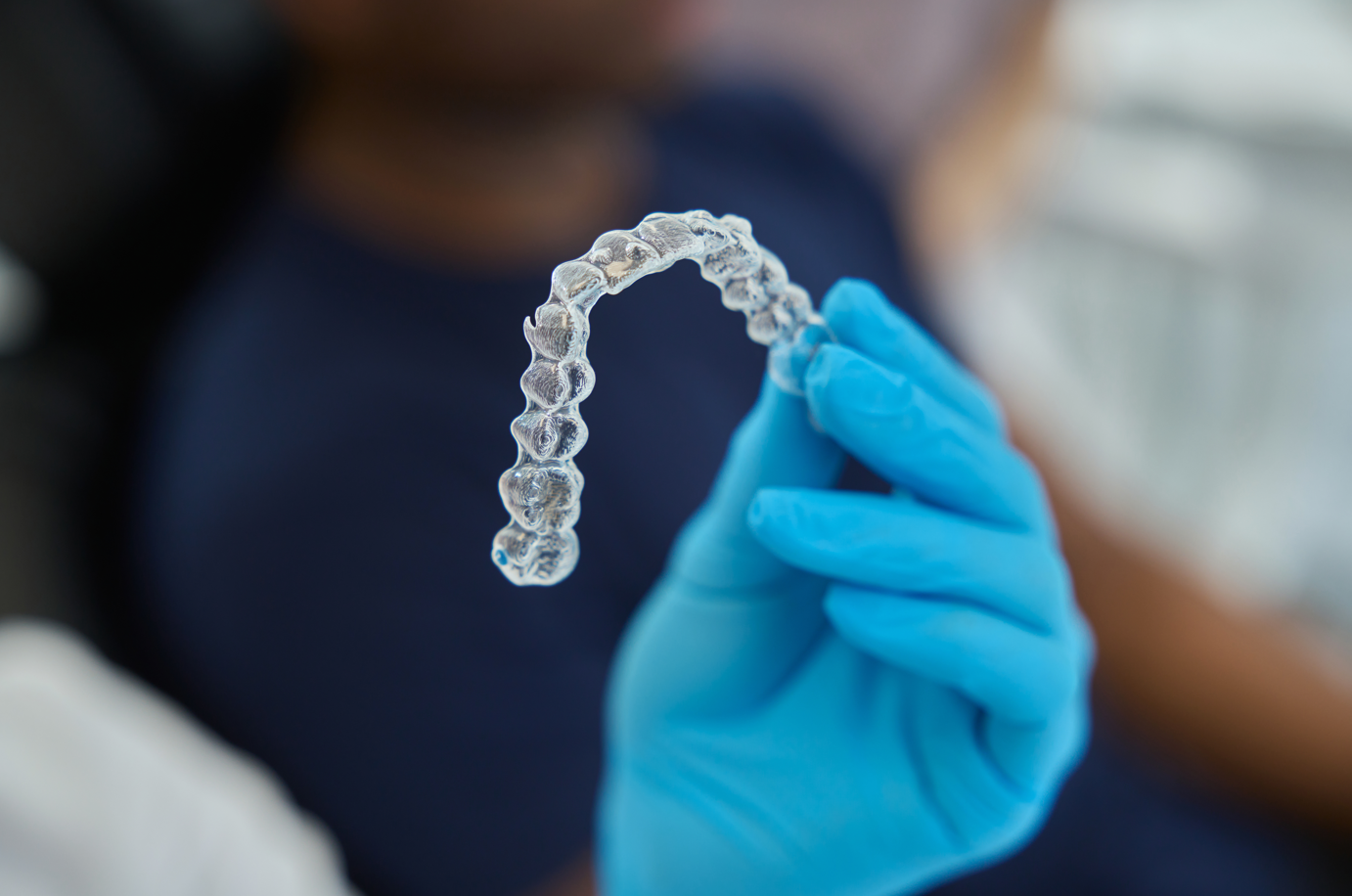
Invisalign is a system of clear aligners — custom plastic trays made to gently move your teeth over time. Each tray applies targeted pressure to specific teeth based on a staged plan created from digital scans and orthodontic principles.
What Invisalign is:
- A removable, discreet orthodontic treatment
- Planned using digital scanning and a step-by-step movement map
- Designed to address crowding, spacing, and many bite issues
What Invisalign isn’t:
- “Set it and forget it” — your provider must monitor tracking
- Automatically faster than braces — speed depends on your case and compliance
- A fit for every situation — some complex cases need braces or hybrid treatment
If you want a broad overview of services offered under one roof, start with dental services in Houston Heights.
Who’s a Good Candidate for Clear Aligners?
Most Invisalign patients fall into a few common categories. You may be a strong candidate if you have:
- Crowding: teeth overlap, twist, or sit out of line
- Spacing: gaps between teeth, uneven spacing, “black triangles” starting to appear
- Mild to moderate bite issues: overbite, underbite, crossbite, open bite (case dependent)
- Relapse after braces: teeth moved after previous orthodontics
When to be cautious
Some cases can still be treated with Invisalign — but they require more advanced planning, attachments, or a hybrid approach:
- Significant bite correction needs
- Severe crowding with limited space
- Uncontrolled gum disease (needs stabilization first)
- Frequent clenching/grinding without protection
- Patients who cannot realistically wear aligners 20–22 hours/day
A properly structured evaluation matters. If you’re new to the practice, start here: new patient information.
Why Your Dentist Matters More Than the Aligners
Clear aligners don’t “think.” They follow a plan. If the plan is wrong — or if your teeth stop tracking — aligners can stall or create unwanted changes in your bite.
A good Invisalign dentist focuses on:
- Correct diagnosis: scanning, bite analysis, and oral health assessment
- Case design: staging movements in a realistic sequence
- Tracking and refinement: catching issues early and adjusting the plan
- Long-term stability: retention planning and bite comfort after treatment
This is why people searching for “dentist Heights” should look beyond the marketing and evaluate the planning process itself. Learn more about our care philosophy here: About Clio Dental Studio.
Invisalign vs Braces: Benefits and Tradeoffs
Invisalign can feel easier than braces — but it’s not “better” for everyone. Here’s the real comparison:
| Factor | Invisalign | Traditional Braces |
|---|---|---|
| Visibility | Clear trays (low-profile) | Brackets and wires (more noticeable) |
| Convenience | Removable for meals & hygiene | Fixed—always on |
| Hygiene | Easier brushing and flossing | Requires more time/tools |
| Discipline required | High (must wear 20–22 hrs/day) | Lower (works even if you’re forgetful) |
| Complex bite correction | Possible, but case dependent | Often preferred for severe cases |
| Comfort | Smooth trays, fewer soft-tissue issues | Can irritate cheeks/gums |
Bottom line: Invisalign is ideal for patients who want a discreet option and can commit to wear time. Braces can be better when absolute control is needed for complex movement.
The Invisalign Treatment Process in Houston Heights
A well-run Invisalign plan should feel organized and predictable — not confusing. Here’s how the process typically works at a high-quality Houston Heights dental practice.
Stage 1: Consultation and candidacy
Your visit should include an oral health exam, bite evaluation, and digital scan (not a quick glance and a sales pitch). You’ll discuss goals, timeline, likely complexity, and what’s required from you.
If you have urgent pain or swelling, address that first. You can find fast help here: emergency dentist in Houston Heights.
Stage 2: Digital scanning and treatment planning
A digital scan creates a 3D model used to plan tooth movement. A good plan answers:
- What is the target bite position?
- How will space be created if crowding exists?
- Will attachments be needed for control?
- How will relapse be prevented after completion?
Stage 3: Aligner fitting and instructions
You’ll receive your first aligners and clear instructions for wear time, switching schedules, cleaning, and what to do if discomfort occurs. Many cases involve switching trays every 1–2 weeks.
Stage 4: Progress check-ins and refinements
Check-ins matter because teeth don’t always move exactly as predicted. A good provider catches tracking issues early and can modify the plan with refinements.
Stage 5: Retention (the step people regret skipping)
Your results are only stable if you keep them stable. Retainers are not optional — they’re the “lock” that protects your investment.
Wear Time Rules That Make or Break Results
Invisalign success is not magic — it’s compliance.
Most patients need:
- 20–22 hours/day wear time
- Aligners removed only for eating and hygiene
- Switching to the next tray on schedule
Common mistakes that slow treatment
- Snacking with aligners out (hours add up fast)
- Drinking anything besides water while wearing aligners
- Not brushing before reinserting (increases decay risk)
- Skipping check-ins because “it looks fine”
- Losing aligners without contacting the office quickly
Soft CTA: If you want a plan that fits your schedule and habits, start with a consultation and candidacy exam. Request a visit here: contact Clio Dental Studio.
Invisalign Cost in Houston: What You’re Really Paying For
Patients ask, “How much does Invisalign cost in Houston?” — but the better question is: what drives the price up or down?
Most Invisalign fees are influenced by:
- Case complexity: mild alignment vs bite correction
- Treatment length: more months usually means more stages/monitoring
- Number of aligners: more movement requires more trays
- Attachments and refinements: additional control can add complexity
- Provider planning time: higher-quality planning is time-intensive
- Retention: retainers and long-term follow-up protect results
Realistic range: Invisalign often falls around $3,000–$7,000 depending on complexity and duration. Your exact fee should be based on a scan-based plan and full evaluation — not a generic number quoted online.
If you want a transparent breakdown and a plan built around your goals, that starts with a proper evaluation and estimate.
Insurance, Membership Plans, and Financing Options
Affording Invisalign isn’t always about the total cost — it’s about making it manageable.
PPO insurance
Some PPO plans offer orthodontic benefits. Coverage varies by plan, and many policies have lifetime maximums for orthodontics.
Financing
Monthly payment plans can spread treatment cost out in a way that fits a realistic household budget. Learn more here: payment plans and financing.
Dental membership plan (if you don’t have insurance)
Membership plans can help reduce certain out-of-pocket costs and make routine visits more predictable. See: dental membership plan.
Pairing Invisalign with Whitening, Veneers, and Restorative Care
Invisalign often becomes part of a bigger smile plan. The order matters — and planning it correctly protects both aesthetics and longevity.
Whitening after Invisalign
Many patients whiten after alignment so shade is even across newly positioned teeth. Explore: teeth whitening in Houston Heights.
Veneers after Invisalign
Aligning teeth first can reduce how much tooth structure needs to be adjusted for veneers. Learn more: veneers in Houston Heights.
When restorative work comes first
If you have decay, broken restorations, or gum disease, those should be stabilized first. Invisalign is not a replacement for foundational oral health.
How to Choose an Invisalign Dentist in Houston Heights
If you want to avoid wasted time and rework, choose based on planning — not ads.
Use this checklist:
- Do they use digital scanning (not messy impressions) and explain the plan?
- Do they evaluate your bite, not just tooth “straightness”?
- Do they discuss attachments, refinements, and retention upfront?
- Do they provide transparent pricing and timeline expectations?
- Do patient reviews mention clarity, comfort, and trust?
Want to see patient feedback? Visit patient reviews.
Frequently Asked Questions
How long does Invisalign take?
Many Invisalign cases take 6–24 months depending on complexity. Minor alignment may finish sooner, while bite correction and larger movement often take longer.
How many hours a day do I need to wear Invisalign?
Most patients should wear aligners 20–22 hours per day, removing them only for meals and brushing/flossing. Wear time is one of the biggest predictors of success.
How much does Invisalign cost in Houston?
Invisalign commonly ranges around $3,000–$7,000 depending on complexity and treatment length. Your exact cost should be based on a scan-based plan and full evaluation.
Is Invisalign better than braces?
Invisalign is great for patients who want a discreet, removable option and can commit to wear time. Braces can be better for severe or complex movement needing maximum control.
Can I eat and drink with Invisalign?
You should remove aligners before eating and drinking anything besides water. This helps prevent staining, warping, and trapped sugar that can raise cavity risk.
Next Step: Book Your Invisalign Consultation
If you want Invisalign in Houston Heights with a plan built around your bite, goals, and lifestyle — the first step is a proper exam and digital scan.
Request an Invisalign consultation at Clio Dental Studio and get a clear timeline, cost breakdown, and treatment path you can trust.