

Emergency Dentist in Houston Heights: What to Do for Tooth Pain, Broken Teeth, or Swelling
A dental emergency can change your day fast. One minute you are eating, working, driving, or getting ready for bed. The next, you are dealing with severe tooth pain, a broken tooth, swelling, bleeding, or a filling that suddenly falls out.
If you are looking for an emergency dentist in Houston Heights, you probably need two things: fast guidance and a clear next step.
This guide explains what counts as a dental emergency, what you should do before your appointment, when you should not wait, and how same-day emergency dental care can help protect your teeth, comfort, and long-term oral health.
If you need urgent care now, visit Clio Dental Studio’s emergency dentistry page here:
Emergency Dentist in Houston Heights
Key Takeaways
- Severe tooth pain, swelling, broken teeth, knocked-out adult teeth, lost fillings, and dental infections can all require urgent dental care.
- A dentist can treat the source of the problem, while home care only helps manage symptoms temporarily.
- Swelling, fever, facial trauma, uncontrolled bleeding, or trouble breathing should be treated as urgent medical red flags.
- Same-day emergency dental care in Houston Heights can help relieve pain, diagnose the issue, and prevent the problem from getting worse.
What Is a Dental Emergency?
A dental emergency is an urgent problem involving your teeth, gums, jaw, or mouth that needs prompt attention because it may involve pain, infection, trauma, bleeding, or risk of permanent damage.
Not every dental issue is an emergency. A small chip with no pain may be less urgent than facial swelling or severe tooth pain that keeps you from sleeping.
The key question is simple: Is the problem painful, worsening, infected, bleeding, or affecting your ability to eat, speak, sleep, or function?
If yes, you should contact an emergency dentist as soon as possible.
For a broader view of available treatments, you can also review Clio’s dental services here:
Dental Services in Houston Heights
Signs You Should Call an Emergency Dentist in Houston Heights
You should call an emergency dentist in Houston Heights if you are dealing with any of the following symptoms or situations.
Severe or Persistent Tooth Pain
Tooth pain that does not go away is one of the most common reasons people need urgent dental care.
Pain may come from decay, a cracked tooth, an infected nerve, gum disease, trauma, or pressure from an abscess. The important point is that pain is a warning sign, not the actual diagnosis.
If tooth pain is sharp, throbbing, constant, or strong enough to interrupt eating or sleeping, you should not ignore it.
If the issue involves an infected or inflamed tooth nerve, root canal treatment may be one possible option:
Root Canal Treatment in Houston Heights
Facial, Gum, or Jaw Swelling
Swelling can be a sign of infection, inflammation, trauma, or an abscess.
This matters because dental infections can spread beyond the tooth. If swelling is getting worse, spreading into your face or neck, or comes with fever or difficulty swallowing, seek urgent care immediately.
If swelling is related to gum disease or periodontal infection, Clio also provides gum disease treatment:
Gum Disease Treatment in Houston Heights
Broken, Cracked, or Chipped Tooth
A broken tooth may look minor at first, but the deeper layers of the tooth can become exposed.
That can lead to sensitivity, pain, infection, or further fracture. Even if the tooth is not painful yet, a crack can worsen when you bite down.
A dentist can evaluate whether the tooth needs bonding, a filling, a crown, root canal treatment, extraction, or another option.
Relevant treatment pages include:
Tooth-Colored Fillings in Houston Heights
Dental Crowns in Houston Heights
Dental Bonding in Houston Heights
Knocked-Out Adult Tooth
A knocked-out adult tooth is one of the most time-sensitive dental emergencies.
If the tooth is permanent, handle it carefully by the crown, not the root. Keep it moist and contact a dentist immediately.
Do not scrub the tooth. Do not let it dry out. The faster you act, the better the chance of saving it.
Lost Filling or Crown
A lost filling or crown can expose sensitive tooth structure underneath.
You may feel pain, sharp edges, temperature sensitivity, or discomfort when chewing. Even if the pain is mild, the tooth may be more vulnerable until it is repaired.
A dentist can determine whether the restoration can be repaired, replaced, or needs a different treatment plan.
Dental Abscess or Infection
A dental abscess is a pocket of infection that can cause swelling, pressure, bad taste, fever, gum tenderness, or severe pain.
This is not something to manage at home. Pain medicine may reduce discomfort temporarily, but it does not remove the infection source.
Wisdom Tooth Pain
Wisdom teeth can cause pain, swelling, gum irritation, jaw stiffness, or infection when they do not fully erupt or are difficult to clean.
If wisdom tooth pain is severe or comes with swelling, it may need urgent evaluation.
Learn more here:
Wisdom Teeth Removal in Houston Heights
Bleeding After Trauma
Bleeding from the mouth after an injury should be taken seriously.
If bleeding is heavy, does not stop, or comes with facial trauma, jaw injury, or a possible broken bone, you may need emergency medical care first.
What to Do Before Your Emergency Dental Appointment
The right first step depends on the problem. These temporary steps may help protect your mouth until you are seen.
For Severe Tooth Pain
Rinse gently with warm water. If food is stuck between the teeth, floss carefully.
Avoid chewing on the painful side. Do not place aspirin directly on your gums or tooth, because it can irritate or burn soft tissue.
Over-the-counter pain relievers may help temporarily if you can take them safely, but they do not treat the cause of the pain.
For Swelling
Use a cold compress on the outside of your cheek.
Do not apply heat unless a dentist or medical professional tells you to. Heat can sometimes worsen swelling related to infection.
If swelling is spreading, affecting your breathing, or making it hard to swallow, seek emergency medical attention.
For a Broken Tooth
Save any broken pieces if you can.
Rinse your mouth gently with warm water. Avoid chewing on that side, and avoid very hot, cold, hard, or sticky foods.
If there is a sharp edge, dental wax may help protect your cheek or tongue until your appointment.
For a Knocked-Out Adult Tooth
Pick up the tooth by the crown, which is the white chewing part.
Avoid touching the root. If the tooth is dirty, rinse it gently, but do not scrub it.
If possible, place it back in the socket. If not, keep it moist in milk or inside your cheek if you can do so safely. Then get dental care immediately.
Do not try to reinsert a baby tooth.
For a Lost Filling or Crown
Keep the crown or filling if you still have it.
Avoid chewing on that side. The exposed tooth may be sensitive or vulnerable to damage.
Do not use permanent glue or household adhesive. A dentist needs to evaluate whether the restoration can be re-cemented, replaced, or replaced with another treatment.
Common Emergency Dental Problems and What They May Mean
Dental emergencies often feel similar from the patient’s side: pain, pressure, sensitivity, or swelling.
But the cause can be very different. That is why diagnosis matters.
Toothache
A toothache may come from a cavity, cracked tooth, inflamed nerve, gum infection, bite pressure, or food trapped under the gums.
If the pain is intense or persistent, it usually means the tooth needs professional evaluation.
Pain When Biting
Pain when biting down may suggest a cracked tooth, high filling, loose crown, deep cavity, or infection around the root.
This type of pain can be easy to underestimate because it may only happen during chewing. But if the tooth is cracked or infected, waiting can make treatment more complex.
Hot or Cold Sensitivity
Short, mild sensitivity can happen for many reasons.
But lingering sensitivity, sharp temperature pain, or sensitivity with throbbing may point to deeper irritation inside the tooth.
Gum Swelling or Pimple on the Gum
A small bump on the gum can sometimes indicate drainage from an infection.
Even if the bump comes and goes, the underlying issue may still be present. You should have it checked.
Jaw Pain or Nighttime Tooth Pain
Jaw soreness, morning headaches, worn teeth, or tooth pain after sleeping may be connected to grinding or clenching.
If this is part of the issue, a custom nightguard may help protect your teeth from future damage:
Nightguards in Houston Heights
Should You Go to the ER or an Emergency Dentist?
For most tooth-related problems, an emergency dentist is usually the right place to start because a dentist can diagnose and treat the source of the dental issue.
However, some situations need emergency medical care first.
Go to the ER or call emergency services if you have:
- Trouble breathing
- Trouble swallowing
- Rapidly spreading facial or neck swelling
- Uncontrolled bleeding
- Severe facial trauma
- Suspected broken jaw
- High fever with swelling or serious infection symptoms
For severe tooth pain, broken teeth, lost crowns, abscess concerns, or swelling that is not affecting breathing or swallowing, call an emergency dentist as soon as possible.
You can contact Clio Dental Studio here:
Contact Clio Dental Studio
How Same-Day Emergency Dental Care Works
Same-day emergency dental care is designed to identify the problem quickly and start the right treatment as soon as possible.
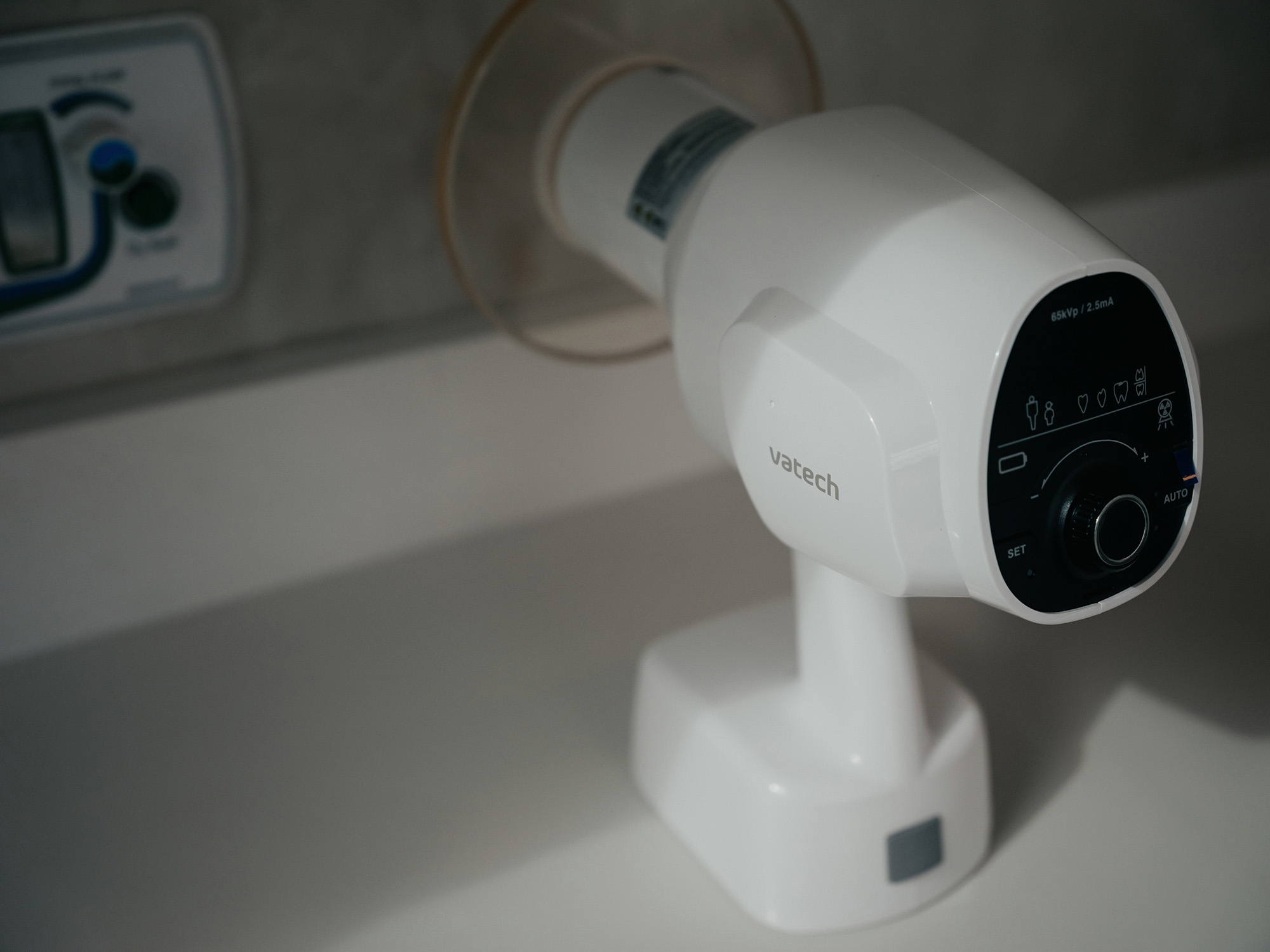
At Clio Dental Studio in Houston Heights, emergency care may include a focused exam, digital imaging, diagnosis, pain-relief planning, and treatment recommendations based on what is causing the problem.
Depending on the situation, treatment may involve:
- Tooth-colored filling
- Crown or restoration repair
- Root canal evaluation or treatment planning
- Tooth extraction when needed
- Gum or infection evaluation
- Wisdom tooth evaluation
- Temporary stabilization
- Referral or coordination if specialized care is needed
The goal is not just to reduce pain for the moment. The goal is to understand why the emergency happened and prevent it from becoming worse.
Start here if you need urgent dental help:
Emergency Dentist in Houston Heights
Why Fast Treatment Matters
Dental emergencies can worsen quickly because teeth and gums are connected to nerves, bone, blood supply, and surrounding tissues.
Waiting may increase the risk of:
- Stronger pain
- Spreading infection
- Tooth fracture progression
- More complex treatment
- Tooth loss
- Higher treatment cost later
Fast care can give you better options. In many cases, earlier treatment is simpler than delayed treatment.
How Clio Dental Studio Supports Emergency Patients
Clio Dental Studio is located in Houston Heights and offers emergency dentistry for urgent dental needs.
The practice uses modern diagnostic technology, including digital X-rays and CBCT 3D imaging, to help evaluate dental problems clearly. This is especially useful when pain may be coming from infection, trauma, impacted teeth, or issues below the gumline.
Clio also offers general, restorative, cosmetic, implant, Invisalign, periodontal, and emergency dental services, which means urgent dental problems can be evaluated with the bigger picture of your oral health in mind.
Helpful pages:
New Patients in Houston Heights
Dental Services in Houston Heights
Payment and Financing Questions During an Emergency
Dental emergencies often come with another concern: cost.
The exact cost depends on the diagnosis, imaging needed, and treatment recommended. A simple filling is different from a crown, root canal, extraction, or more complex emergency treatment.
Clio Dental Studio accepts several PPO insurance plans and offers flexible payment options. You can review these pages before or after scheduling:
Dental Membership Plan in Houston
Payment Plans and Cherry Financing
How to Prevent Future Dental Emergencies
Not every dental emergency can be prevented. Accidents happen.
But many emergencies start as smaller problems that were easy to miss or delay.
Keep Up With Routine Exams and Cleanings
Routine dental visits help detect cavities, cracks, gum disease, failing fillings, and bite problems before they become painful emergencies.
Learn more here:
Teeth Cleaning in Houston Heights
Do Not Ignore Early Tooth Pain
Mild pain can become severe pain.
If a tooth feels different, hurts when chewing, or becomes sensitive for more than a short time, schedule an exam before it becomes urgent.
Wear a Nightguard if You Grind Your Teeth
Grinding and clenching can contribute to tooth cracks, worn enamel, jaw soreness, and restoration damage.
A custom nightguard may help protect your teeth if bruxism is part of the problem.
Nightguards in Houston Heights
Use a Custom Mouthguard for Sports
Sports injuries can cause chipped, broken, or knocked-out teeth.
A custom athletic mouthguard offers better fit and protection than many store-bought options.
Custom Mouthguards in Houston Heights
Replace Damaged Fillings or Crowns Promptly
Loose, cracked, or leaking restorations can allow bacteria to reach deeper areas of the tooth.
If a crown or filling feels loose, sharp, or sensitive, have it checked.
Dental Crowns in Houston Heights
Tooth-Colored Fillings in Houston Heights
FAQ
What counts as a dental emergency?
A dental emergency is any urgent tooth, gum, or mouth problem involving severe pain, swelling, infection, bleeding, trauma, a broken tooth, a knocked-out adult tooth, or a lost restoration that needs prompt care.
Should I call an emergency dentist for tooth pain?
Yes, if the pain is severe, persistent, throbbing, or affecting your ability to eat, sleep, or focus. Tooth pain often means there is an underlying issue that needs diagnosis, not just temporary pain relief.
Can a broken tooth wait?
Sometimes a small chip with no pain may not be urgent, but a broken tooth should still be evaluated. If the tooth hurts, has a sharp edge, exposes inner tooth structure, or worsens when biting, call an emergency dentist.
What should I do if my adult tooth is knocked out?
Hold the tooth by the crown, avoid touching the root, keep it moist, and seek dental care immediately. If possible, place the tooth back into the socket. If not, store it in milk or inside your cheek if safe.
Should I go to the ER for a dental abscess?
If swelling affects your breathing, swallowing, face, neck, or comes with severe systemic symptoms, go to the ER. For most tooth infections, an emergency dentist is needed to evaluate and treat the dental source of the problem.
Does Clio Dental Studio offer emergency dental care in Houston Heights?
Yes. Clio Dental Studio offers emergency dentistry in Houston Heights for urgent dental problems such as tooth pain, broken teeth, swelling, lost restorations, and other emergency dental concerns.
Visit the emergency dentistry page here:
Emergency Dentist in Houston Heights
Conclusion
Dental emergencies are stressful because they usually happen suddenly and leave you unsure what to do next.
The safest approach is to act early. Severe tooth pain, swelling, broken teeth, knocked-out adult teeth, and signs of infection should not be ignored or managed with home care alone.
If you need an emergency dentist in Houston Heights, same-day dental care can help identify the problem, relieve pain, and protect your oral health before the situation becomes more serious.
Start here:
Emergency Dentist in Houston Heights
Or contact the office directly:
Contact Clio Dental Studio
Related services at Clio Dental Studio
- Emergency dentist: same-day appointments for pain, swelling and broken teeth.
- Root canal treatment: treatment for infected or inflamed teeth, under local anesthetic.
- Crowns and bridges: restorations planned with iTero scans and in-office 3D printing.
- Tooth-colored fillings: metal-free composite fillings, most completed in one visit.