
Invisalign vs. Other Clear Aligners: Which Is Right for You?
By Clio Dental Studio · Updated August 11, 2026
Invisalign is a specific brand of clear aligners, while other clear aligners include brands like ClearCorrect, each differing in material, technology, and provider expertise. The right choice depends on your case complexity, budget, and desired outcomes—best determined through a personalized consultation with an experienced provider.
Related treatment at Clio Dental Studio: Invisalign and clear aligners in Houston Heights
Key Takeaways
- Invisalign uses proprietary SmartTrack multilayer plastic for precise fit and consistent force, while other brands often use single-layer thermoplastics that may fit less precisely.
- Invisalign's ClinCheck software allows granular 3D control over tooth movements, whereas competitors like ClearCorrect offer less provider-side customization.
- Invisalign providers are ranked by case volume and education (Silver to Diamond Plus), offering a transparent experience benchmark; ClearCorrect lacks a comparable tiered system.
- In Houston Heights, Invisalign costs $3,000–$7,000 depending on complexity, with insurance often covering $1,000–$3,000 of orthodontic treatment.
- The skill of the provider designing the case is critical for successful outcomes, regardless of the aligner brand used.
Is Clear Aligners vs Invisalign Same?
No — and the distinction matters more than most people realize. “Clear aligners” is the broad category: a system of custom, removable plastic trays that straighten teeth without brackets and wires. Invisalign is one specific brand within that category, and it happens to be the most researched, most widely used, and most technologically mature option available. Think of it like this: all Invisalign is clear aligner treatment, but not all clear aligner treatment is Invisalign.
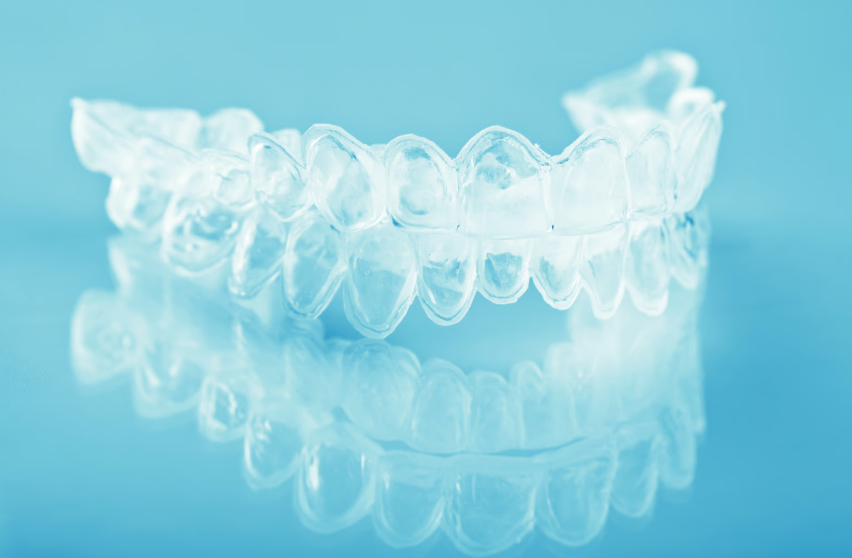
The real difference lives in three places. First, the material. Invisalign uses a proprietary multilayer plastic called SmartTrack, engineered for consistent force delivery and a precise, comfortable fit that patients actually keep in their mouths. Off-brand aligners often use single-layer thermoplastics that can feel bulkier, fit less precisely, and lose their grip faster as a tray ages. Second, the planning software. Invisalign’s ClinCheck system lets Dr. Rouhani map every tooth movement in three dimensions before your first tray is ever made, and the iTero scanner at our Houston Heights studio lets you see your projected smile on-screen before you commit to anything. Third — and most critically — the provider. Invisalign is a tool, not a treatment plan. The skill of the dentist designing your case determines whether your teeth track correctly, your bite stays healthy, and your results actually look the way you imagined. At Clio Dental Studio, Dr. Rouhani uses digital precision to plan each case from start to finish, monitoring every stage so you’re never left wondering if things are on track. Other clear aligner brands can work for simple cases, but when you’re investing in a smile transformation you’ve been waiting years to start, the technology behind the aligners — and the experience behind the plan — are what protect that investment.
What Is the Difference Between Invisalign and Clear Correct?
The core difference is that Invisalign is a proprietary system backed by over two decades of clinical data, tiered provider expertise, and a massive R&D budget that refines aligner material and software constantly — while ClearCorrect is a competing clear aligner brand that often enters the conversation because some dentists offer it at a lower lab fee, which can translate to a slightly lower price for you. But “cheaper lab fee” isn’t the same as “better value,” and for a smile transformation you’ve been quietly wanting for years, the distinction matters.
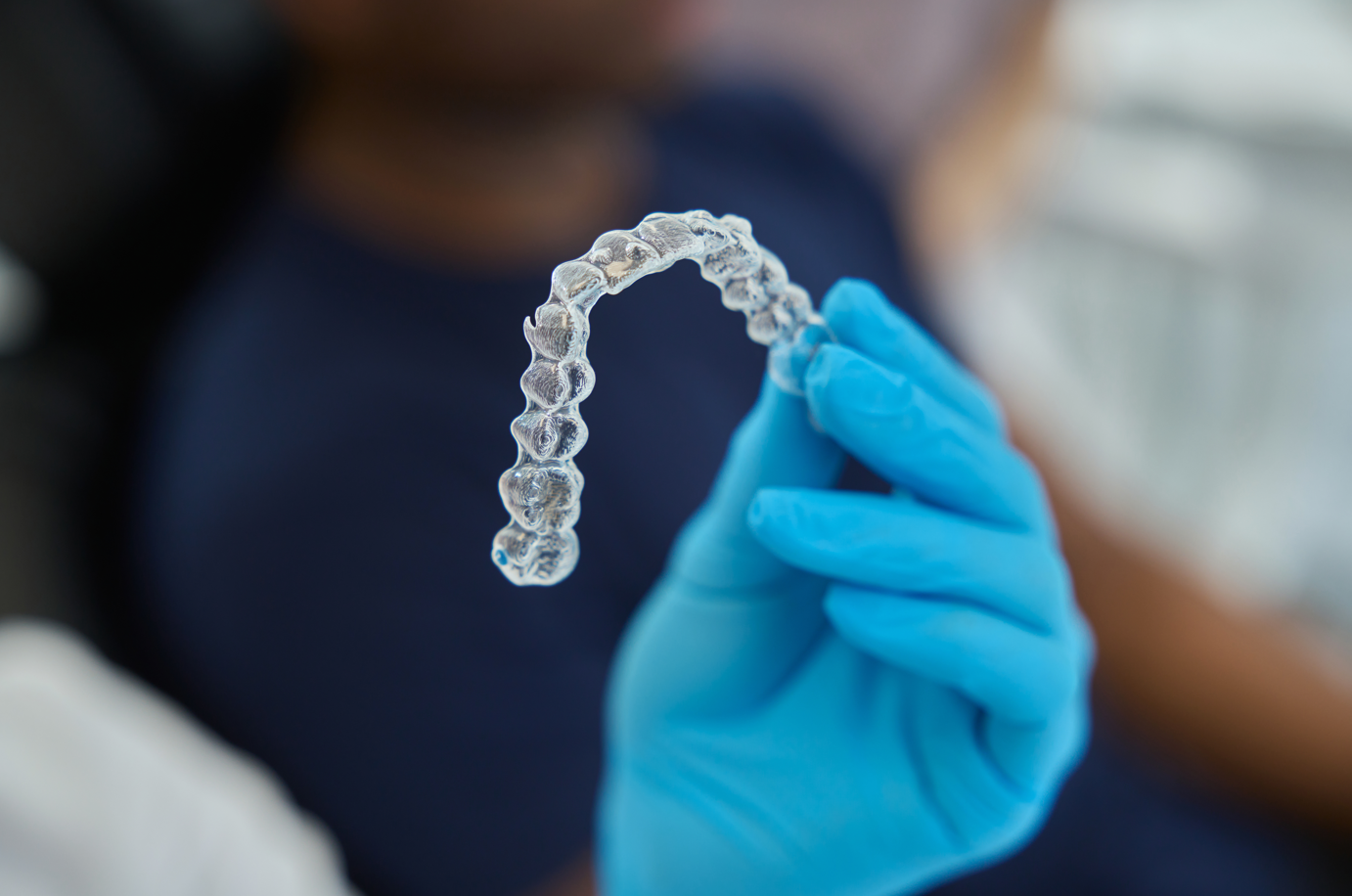
Invisalign’s SmartTrack material is engineered specifically for controlled, predictable tooth movement — it’s not a generic medical-grade plastic. ClearCorrect uses a different multilayer material, and while both are BPA-free, Invisalign’s material has published research behind its force delivery and retention over a two-week wear cycle. That translates to aligners that stay active longer and track your movements more precisely between appointments. For you, that means fewer mid-course corrections and a lower chance of the plan stalling out because a tray isn’t gripping the way it should.
The planning software is another fork in the road. Invisalign’s ClinCheck system lets Dr. Rouhani manipulate every tooth movement in three dimensions, adjust attachment placement, and stage complex moves — like rotating a stubborn canine or closing a gap without tipping adjacent teeth — with granular control. ClearCorrect’s software has improved, but it still doesn’t offer the same depth of provider-side customization. When you sit in our Houston Heights studio and we scan your teeth with the iTero, the ClinCheck preview you see on screen isn’t a generic simulation — it’s the actual treatment plan we’ll refine together before a single aligner is made.
Perhaps the most overlooked difference is provider certification. Invisalign ranks providers by case volume and continuing education — from Silver to Diamond Plus — which gives you a transparent way to gauge experience before you commit. ClearCorrect doesn’t have a comparable tiered system. You’re trusting the outcome to your dentist’s individual skill without the same external benchmark. Both systems can produce beautiful results in the right hands, but Invisalign gives you more tools to verify those hands are the right ones.
Direct Cost Breakdown for Houston, TX Area
The real cost of a smile transformation with clear aligners in Houston Heights isn’t a single number you’ll find on a price list — it depends on the complexity of your case, how long treatment takes, and how your insurance and financing come together. At Clio Dental Studio, a straightforward Invisalign case in the Houston area typically falls in the $3,000–$5,500 range, while more involved corrections requiring additional attachments, elastics, or extended treatment timelines can reach $6,000–$7,000. The only way to get an exact, no-surprises figure is through a complimentary consultation, where Dr. Rouhani uses the iTero digital scanner to map your entire treatment plan and show you a preview of your projected results before you commit to anything.
Insurance can significantly reduce your out-of-pocket cost, and we accept most major PPO dental insurance plans. If your plan includes orthodontic coverage, it often covers a portion of Invisalign treatment — commonly between $1,000 and $3,000 — but we handle the verification for you so you know exactly what’s covered before treatment starts. For patients without insurance or those who want to manage the remaining balance predictably, we offer several third-party financing options through Cherry, Alphaeon Credit, and Sunbit. These plans let you break the total into low monthly payments, often with 0% interest promotional periods, so the investment feels manageable rather than overwhelming.
We also designed our in-house Clio Care Plan for patients who want to bundle their preventive care and save on cosmetic treatment. The Care Plan is $46 per month or $552 per year, and the Care Plan+ is $69 per month or $828 per year — both include cleanings, exams, x-rays, and 15% off procedures, including Invisalign. For a treatment that might otherwise cost $5,000, that 15% alone puts $750 back in your pocket. This isn’t about pushing you into a plan you don’t need; it’s about transparency. You’ll leave the consultation with a printed breakdown of costs, insurance estimates, and financing options, so there’s zero pressure and complete clarity. No hidden fees, no inflated treatment plans — just an honest conversation about what your smile needs and exactly what it will cost.
Comparison of Treatment Duration and Number of Aligner Trays
For most mild to moderate crowding or spacing cases, Invisalign treatment typically spans 12 to 18 months, while direct-to-consumer and lower-cost clear aligner brands often quote 6-month timelines for the same cosmetic concerns. The difference isn’t that one system moves teeth faster — it’s that Invisalign addresses the full bite, not just the front six teeth you see when you smile. A shorter plan that only straightens visible teeth without correcting the posterior bite can leave you with a smile that looks better but functions worse, and relapse rates climb when the bite isn’t stabilized. The number of trays reflects that difference directly. An Invisalign case for moderate crowding might involve 20 to 40 aligners, changed every one to two weeks, while a limited cosmetic aligner system might ship half as many trays and simply tip the front teeth into place. More trays don’t mean slower treatment — they mean smaller, more controlled movements per stage, which is gentler on the roots and surrounding bone.
At Clio Dental Studio, Dr. Rouhani uses iTero digital scans to map every tooth movement from start to finish before you commit, so you see your projected timeline and the exact sequence of aligners on-screen. That preview eliminates the guesswork. Some cases that look simple on the surface — a small gap or a single rotated tooth — actually require more trays than expected because the back teeth need to shift to create space. Other cases move faster than anticipated. The honest answer is that your specific anatomy dictates the tray count, and anyone promising a fixed number of trays without a 3D scan is guessing. A 34-year-old Heights patient transferred to us in March 2024 after 18 months of mail-order aligners; we completed her treatment in 12 months using Invisalign with elastics and 14 attachments. The tray count matters less than whether every tooth is moving in the right order — and that’s where provider planning, not brand marketing, determines how long you’ll actually be in treatment.
Impact of Provider Experience and Certification on Outcomes
The person planning your clear aligners matters far more than the brand of plastic you’re wearing. Invisalign itself is a tool — a sophisticated one, yes — but it’s the dentist’s diagnostic skill, treatment-planning experience, and case-volume familiarity that determine whether your smile transformation finishes on time, on track, and looking exactly like the preview you approved. Align Technology, the company behind Invisalign, recognizes this by designating providers into tiered expertise levels — Bronze, Silver, Gold, Platinum, Platinum Plus, and Diamond — based on the number of cases they treat annually. A Diamond-level provider has treated hundreds of Invisalign cases and has seen the nuances: how certain tooth movements stall, which attachments prevent tracking errors, and when to adjust the plan mid-course rather than blindly trusting the software’s default path. That depth of pattern recognition simply doesn’t exist with a provider who treats a handful of aligner cases a year.
Beyond Invisalign’s tier system, look for providers who have pursued dedicated clear aligner education outside of a single brand’s certification. Dr. Rouhani’s advanced training — including her Fellowship in the Academy of General Dentistry, a credential fewer than 6% of dentists hold — means your case is being evaluated through a comprehensive lens, not a narrow cosmetic one.
At Clio Dental Studio, we use the iTero digital scanner to show you your projected results on-screen before you commit to anything. That preview is only as accurate as the provider interpreting it. When you sit with us for a complimentary consultation, you’re not being sold aligners — you’re being given an honest, experience-backed assessment of what’s achievable, what’s realistic, and what the journey will actually involve. As one of our patients, Sarah M., shared: "Dr. Rouhani and her team made my Invisalign journey seamless. From the initial scan to the final result, I felt informed and cared for every step of the way. I couldn't be happier with my smile."
Material Safety and Biocompatibility Differences
When you’re putting something in your mouth for 20 to 22 hours a day, the material it’s made from matters — not just for comfort, but for your long-term health. Invisalign’s aligners are manufactured from a patented multilayer thermoplastic called SmartTrack, which is specifically medical-grade, BPA-free, latex-free, and free of parabens and phthalates. That formulation isn’t marketing language; it’s a material that has undergone ISO 10993 biocompatibility testing, the international standard for evaluating how a substance interacts with living tissue over extended contact. In plain terms: it’s been rigorously tested to confirm it won’t irritate your gums, leach unwanted chemicals, or trigger allergic reactions, even with months of continuous wear.

Not all clear aligner brands meet that same threshold. Many direct-to-consumer and lower-cost competitor aligners use single-layer thermoplastics or polyurethane blends that may not carry the same breadth of biocompatibility data. Some manufacturers make BPA-free claims without disclosing what is in their plastic, leaving you to guess about other potential irritants. If you have a known sensitivity to certain polymers or a history of oral lichen planus or contact dermatitis, that distinction becomes clinical, not cosmetic. We’ve seen patients transfer to our Houston Heights practice after developing persistent gum irritation from aligners they ordered online, only to find the material was never designed for prolonged mucosal contact.
At Clio Dental Studio, we choose Invisalign because the safety data is transparent and the material behaves predictably. Dr. Rouhani’s iTero digital scans capture your anatomy with enough precision that your aligners fit flush against your teeth without excess pressure on soft tissue — another variable that affects how your body tolerates a foreign material day after day. A well-fitting aligner made from thoroughly tested medical-grade polymer reduces the odds of inflammation, discomfort, or that nagging worry about what you’re actually exposing yourself to. Your smile transformation should feel seamless and safe, and the plastic carrying you there shouldn’t be a question mark.
Environmental Impact and Sustainability
Most clear aligners — Invisalign included — are made from medical-grade thermoplastic polymers, and the honest reality is that no aligner system on the market today is fully biodegradable or recyclable through standard curbside programs. The materials are engineered for precision, durability, and biocompatibility, not compostability. That said, there are meaningful differences in how companies approach waste, manufacturing energy, and material efficiency.
Invisalign’s manufacturer, Align Technology, operates a dedicated recycling program for used aligners through a partnership with TerraCycle. Patients can drop off worn trays at participating dental offices, and those aligners are shredded, sanitized, and repurposed into plastic products rather than heading to a landfill. Not every direct-to-consumer aligner brand offers a comparable take-back program — many used trays simply end up in household trash.
From a manufacturing standpoint, Invisalign produces aligners in centralized, high-volume facilities with sustainability reporting that includes water reclamation systems and energy-efficiency targets. Smaller or newer aligner brands often outsource production to third-party labs, where environmental practices vary and are harder to verify. If sustainability matters to you, ask your dentist whether their chosen aligner system publishes verified environmental data or participates in a closed-loop recycling initiative.
At Clio Dental Studio, we use iTero digital scanning to eliminate the need for traditional impression materials — no polyvinyl siloxane waste, no disposable trays, no shipping physical molds back and forth. That digital workflow reduces material consumption before your first aligner is even fabricated. While no aligner solution is zero-impact, choosing a provider who scans digitally and partners with manufacturers that offer take-back programs is the most environmentally conscious path available right now.
Post-Treatment Retention and Relapse Rates
Teeth have a memory, and they will try to drift back to where they started — regardless of which clear aligner brand you used to move them. That’s the reality every cosmetic dentist plans for, and it’s why your post-treatment retention strategy matters just as much as the aligners themselves. The honest truth: there is no published, peer-reviewed data showing one clear aligner brand dramatically outperforms another in long-term stability when retention protocols are followed correctly. What does differ is how your provider designs the finishing stages of your case and the retention plan they build for you.
At Clio Dental Studio, we plan retention from day one — not as an afterthought. Every Invisalign case we complete includes a custom retention strategy, typically a combination of fixed retainers bonded behind the front teeth and removable Vivera retainers made from the same digital scan used to plan your smile transformation. Vivera retainers, which are exclusive to Invisalign, are fabricated from a thicker, more durable material than standard aligner trays, and they’re precision-cut to resist the slow relapse forces that can undo years of progress. Most direct-to-consumer aligner brands offer generic retainers that lack this material density and custom fit, which can lead to micro-movements accumulating over months and years.
The biggest variable in relapse isn’t the brand — it’s you. Teeth shift fastest in the first six months after treatment ends, and skipping nightly retainer wear during that window is the single most common reason we see patients seeking re-treatment. We tell every Houston Heights patient the same thing: your retainer is not optional. We’ll show you exactly how to care for it, when to replace it, and we’ll schedule follow-up checks to catch any subtle shifting before it becomes visible. That ongoing relationship — not just the aligner logo — is what keeps your smile looking exactly the way you fell in love with it.
Integration with Other Dental Procedures
Clear aligners don’t work in isolation. The difference between a mediocre result and a smile transformation you’re genuinely proud of often comes down to the auxiliary procedures your provider plans alongside the trays — and not every brand or dentist approaches these the same way. Invisalign’s digital planning platform gives Dr. Rouhani granular control over three tools that directly shape your outcome: attachments, interproximal reduction (IPR), and elastics.
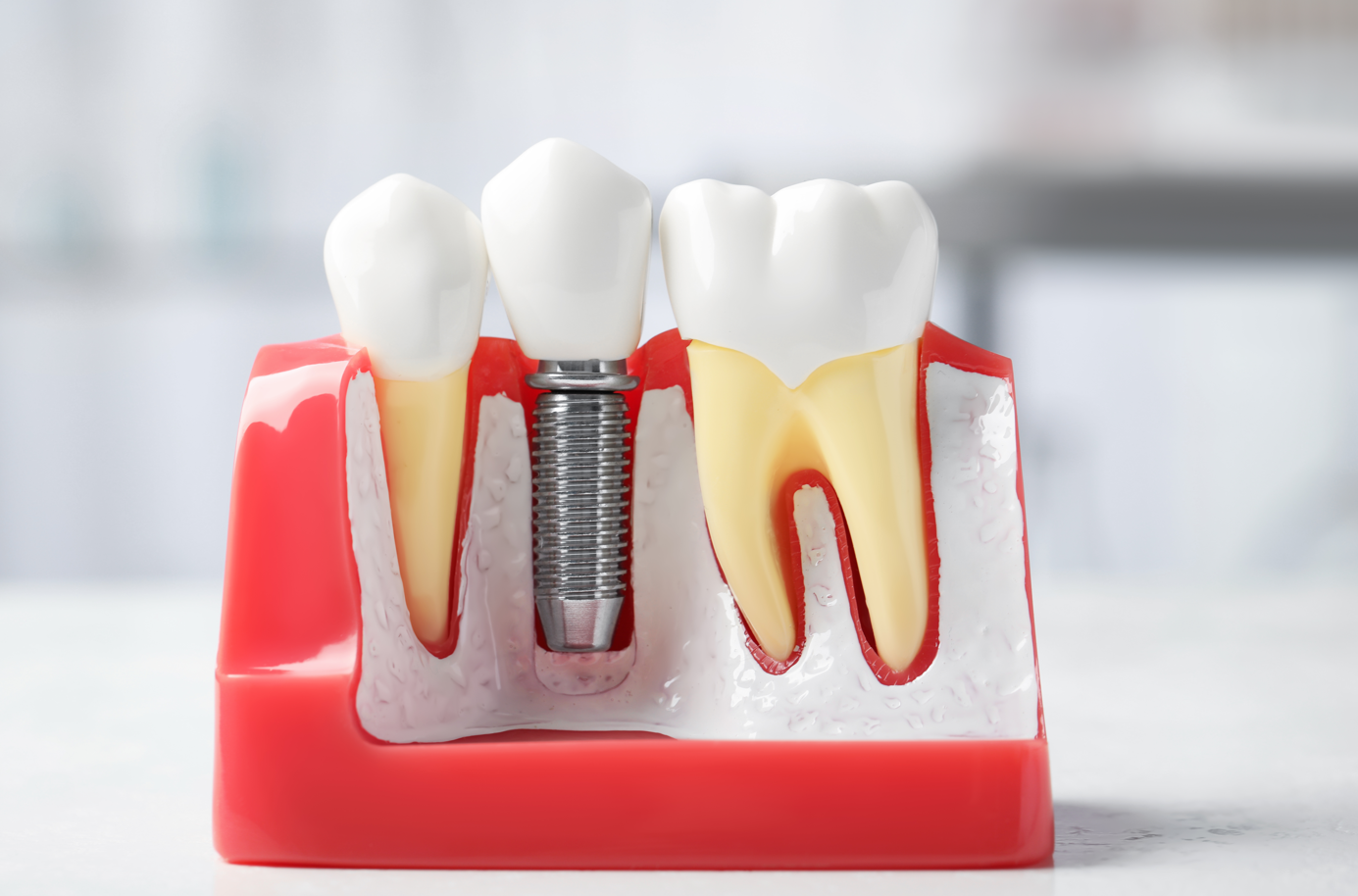
Attachments are tiny, tooth-colored bumps bonded to specific teeth that act as handles for the aligners to grip and rotate stubborn teeth more predictably. Some direct-to-consumer aligner brands skip attachments entirely, which limits the complexity of movements they can achieve. If your case involves a twisted canine or a lateral incisor that sits slightly behind its neighbors, attachments are often non-negotiable for getting it into line. Invisalign’s SmartForce attachments are precisely shaped and positioned based on your digital treatment plan, and Dr. Rouhani can adjust their size and placement to stay discreet while maximizing control. For patients who feel anxious about the attachment placement process, Dr. Rouhani offers sedation options to ensure a comfortable, stress-free experience.
Interproximal reduction — gently polishing a fraction of a millimeter of enamel between crowded teeth — creates the space needed for alignment without extractions. It sounds intimidating, but when done with a light touch by an experienced cosmetic dentist, it’s conservative and nearly imperceptible. This is where provider judgment matters most. Overly aggressive IPR can leave black triangles between teeth; too little, and teeth remain crowded. Dr. Rouhani’s approach is calibrated to preserve your natural tooth structure while creating just enough room for teeth to settle into a stable, flattering arch. Sedation options are also available during IPR for patients who prefer additional comfort during the procedure.
Elastics correct bite discrepancies — overbites, underbites, crossbites — by connecting the upper and lower aligners with small rubber bands. Not all clear aligner systems support elastics effectively, and some providers sidestep bite correction altogether, focusing only on straightening the front six teeth. That’s a cosmetic half-measure. A properly integrated elastic protocol addresses how your teeth fit together, which protects against uneven wear, jaw discomfort, and relapse down the road.
At Clio Dental Studio, we map all of this during your complimentary consultation using the iTero scanner. You’ll see your projected smile on-screen before committing a single dollar — attachments, IPR, elastics, and all — so you know exactly what your treatment involves and why each step matters for the long-term stability of your result. Your oral health is a partnership, and we believe informed patients make the best decisions. That’s why we take time to explain every treatment, answer every question, and guide you through your dental health journey — where comfort meets clinical precision, crafted to perfection.
Frequently Asked Questions
What material is Invisalign made of compared to other clear aligners?
Invisalign uses SmartTrack, a proprietary multilayer plastic for precise fit and consistent force. Other brands often use single-layer thermoplastics that may fit less precisely and lose grip faster.
How does Invisalign's ClinCheck software differ from ClearCorrect's planning tool?
ClinCheck allows granular 3D control over each tooth movement, attachment placement, and staging. ClearCorrect's software offers less provider-side customization for complex moves.
Does Invisalign have a provider ranking system?
Yes, Invisalign ranks providers from Silver to Diamond Plus based on case volume and continuing education. ClearCorrect lacks a comparable tiered system to gauge experience.
Can I see a preview of my smile before starting Invisalign treatment?
Yes, with iTero digital scans at Clio Dental Studio, you can see a projected 3D preview of your smile on-screen before committing to treatment.
What is the typical cost range for Invisalign in Houston Heights?
In Houston Heights, Invisalign costs $3,000–$7,000 depending on complexity, with insurance often covering $1,000–$3,000 of orthodontic treatment.
Related services at Clio Dental Studio
- Invisalign and clear aligners: clear aligner treatment for adults and teens, planned with an iTero digital scan.
- iTero digital impressions: a quick digital scan instead of putty impression trays.
- Professional teeth whitening: in-office whitening or custom take-home trays.
- Cosmetic dentistry: whitening, veneers, bonding, Invisalign and crowns.